The new era of digital ownership
Ownership is entering a new age. For centuries, property rights relied on paper documents, middlemen, and slow-moving institutions. Tokenization, the process of turning real-world assets into digital tokens on a blockchain changes that completely. These tokens represent fractional or full ownership of an asset, creating a transparent, secure, and efficient way to transfer value.
The impact is profound. From real estate to collectibles, tokenization is transforming ownership. In our previous blog post, “Why Asset Tokenization is the Future of Investing” we explored how this technology reshapes the investment world. Now, we look deeper into how tokenization transforms ownership rights, making assets more divisible, tradable, and transparent than ever before.
From exclusivity to accessibility
Traditional ownership was built on exclusivity. Expensive assets like real estate, luxury watches, or fine art were out of reach for most people. Tokenization is transforming ownership. It divides assets into smaller digital shares, each represented by a token.
Imagine a classic car worth one million euros. In the past, only a wealthy individual could buy it. Through tokenization, that car can be split into one million tokens worth one euro each. Suddenly, anyone can own a fraction. This shift makes ownership accessible and allows investors to diversify across many assets instead of locking capital in one illiquid item.
Finslice brings this concept to life by enabling fractional ownership of real-world luxury assets such as watches. On Finslice, users can buy, trade, and hold digital shares of physical items while benefiting from potential value appreciation.
Liquidity for illiquid markets
Tokenization also solves one of the biggest challenges in asset ownership, which is liquidity. Traditionally, selling assets like property or art could take months. Due to tokenization transforming ownership, trading fractions of these assets can happen in seconds.
For instance, imagine owning part of a luxury apartment in Paris. Selling your portion in the traditional market would be complicated and time-consuming. With tokenized ownership, you can sell your tokens to another investor instantly at a fair price. As a result, assets that were once illiquid become flexible and dynamic, allowing investors to react faster to market trends.
Transparency and trust through blockchain
Another major advantage of tokenization is transparency. Each transaction and ownership change appears on the blockchain, creating an open and verifiable record. This visibility removes the need to rely on middlemen or centralized authorities.
Instead of trusting a third-party registry, owners can verify transactions themselves. Blockchain acts like a digital notary, recording all details permanently. This transparency reduces fraud, builds trust, and increases confidence for investors and regulators alike. Over time, it could replace many outdated verification systems with automated, secure, and transparent alternatives.#
Fractional ownership beyond finance
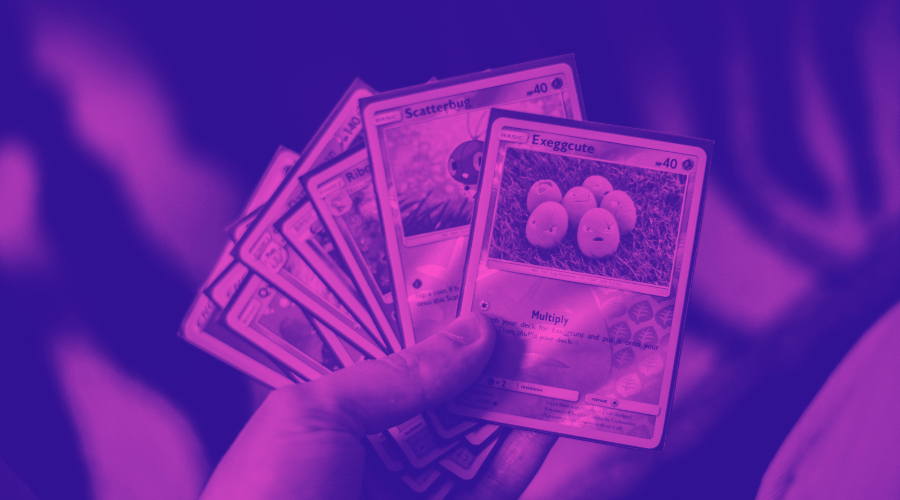
Although tokenization revolutionizes investing, its impact extends much further. In entertainment, for example, creators can tokenize movie rights or music royalties. Fans could buy tokens representing a share of future earnings, sharing in the success of the work they love.
In real estate, global investors can co-own premium properties without complex cross-border legal processes. Even sports can benefit. Fans could own tokenized parts of memorabilia or get a financial stake in their favorite athlete’s brand. These examples show how tokenization spreads ownership more evenly and strengthens participation across industries.
The legal transformation of ownership
As tokenization grows, laws are evolving too. Legal systems must now define ownership rights for digital tokens that represent physical assets. Fortunately, many jurisdictions are adapting quickly. In some places, tokenized ownership already carries the same legal protection as traditional shareholding.
This integration gives investors enforceable rights such as dividends, profit shares, or voting power. The result is a hybrid model that combines legal certainty with blockchain efficiency. Governments and institutions are recognizing that technology and regulation can work together, not against each other.
The psychological shift in owning assets
Tokenization doesn’t only change legal rules, it also changes how people think about ownership. In the past, owning something meant physically holding it. Today, ownership is becoming digital.
An investor can own tokens that represent part of an artwork they may never touch but still benefit from its appreciation. This new mindset treats ownership as a right rather than possession. Digital generations already understand this through experiences with NFTs, cryptocurrencies, and virtual goods. Tokenization simply applies that understanding to real-world assets.
Finslice and the evolution of ownership
Finslice stands at the forefront of this movement. It offers a seamless way to tokenize, verify, and trade real-world assets on a secure platform. By connecting physical and digital ownership, Finslice empowers users to invest in tangible value while enjoying blockchain transparency and liquidity. Through tokenization, the company makes ownership borderless and efficient, redefining how people interact with real assets.
The road ahead
The next decade will bring even more change. Traditional property registries may shift to blockchain systems. Financial institutions could launch tokenized products as standard offerings. People everywhere will hold diverse portfolios that include fractions of real assets from across the world.
Just as the internet revolutionized information access, tokenization is transforming how we own value. The shift is already happening, and those who embrace it early will benefit the most. With platforms like Finslice driving innovation, ownership is becoming transparent, accessible, and truly global.
The revolution of ownership rights through tokenization is no longer a prediction, it’s reality. Step by step, technology is redefining the boundaries of what it means to own something.